Prosecutorial Discretion & The Interests of Justice: what, when, how
In my previous post I reviewed Priscilla Hayner’s The Peacemaker’s Paradox: Pursuing Justice in the Shadow of Conflict, giving it a superb rating and recommending it to anyone working in the field of transitional justice – from mediators to civil society and human rights advocates. As I noted, Hayner draws from her wealth of experience and from her in-depth and critical examination of past efforts by various actors in the peacemaking and transitional justice chain, including international(ized) criminal tribunals and courts – most notably the International Criminal Court (ICC) – to see what has worked or failed in peacemaking. Presenting a clinical analysis of the what, how, and why of these past examples, Hayner shows that during peacemaking efforts, process matters, intrinsic to which are timing, strategy, and context. This is particularly relevant when the ICC Prosecutor exercises her authority: depending on the strategy and tactics adopted, she can be instrumental or detrimental to the peacemaking process. Continue reading “Part II – Panel Discussion on The Peacemaker’s Paradox: Pursuing Justice in the Shadow of Conflict”

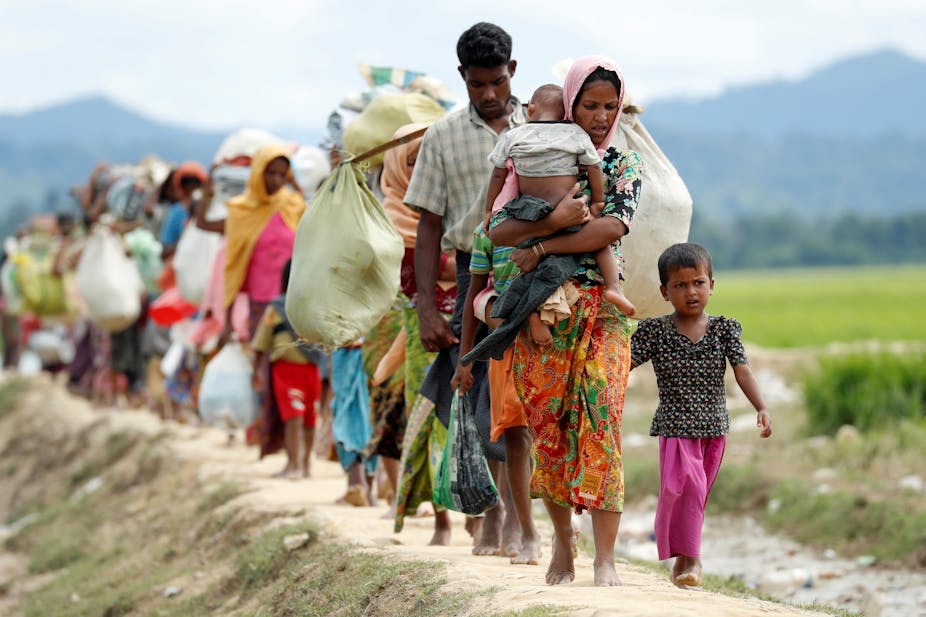 Two weeks ago the Office of the Prosecutor (OTP) of the International Criminal Court (ICC) filed a